
Salt Chlorinator Installs
Installing a salt chlorinator, which switches a pool from adding chlorine by hand to an automatic salt system, or replacing a chlorinator that's reached the end of its life.
Installing a salt chlorinator, switching a pool from adding chlorine by hand to an automatic salt system, or replacing a chlorinator that's reached the end of its life, is one of the more common upgrade jobs we handle. Work covers all chlorinator brands, so the choice comes down to what suits your pool, not what's easiest to fit.
What the Install Involves
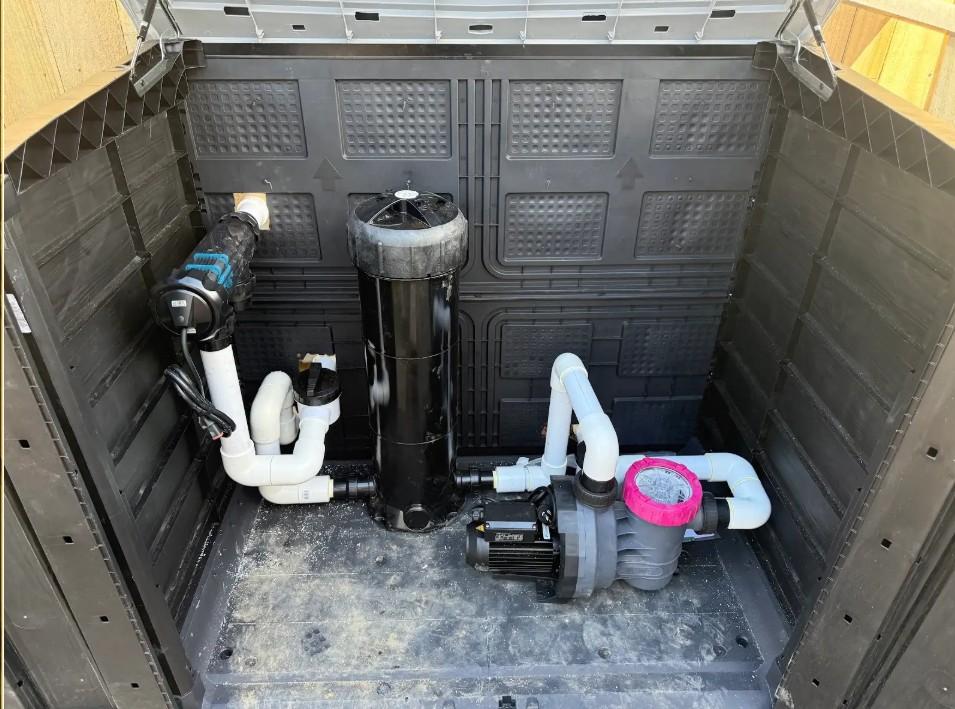
A salt chlorinator install is usually a simple job, since there should already be power at the site from the existing pump and filtration setup. It involves cutting into the plumbing, installing the salt cell, and hanging the chlorinator unit. If the pool also has a heat pump, the cell needs to sit after it in the plumbing run, not before, so the water reaching the cell has already passed through the heater.
A straight install generally takes around 1 to 2 hours on site. Once the cell and chlorinator are in, the water's salt level gets balanced so the system actually works as intended from day one, rather than being installed and left to sort itself out.
Full Install vs Replacement
A full install, switching a pool over from manual dosing to salt for the first time, is a bigger job than replacing an existing cell. If a pool already runs on salt and the chlorinator itself needs replacing, that's a simpler process: matching the new unit to the pool's chlorine demand rather than just swapping in whatever's on the shelf.
A salt cell replacement on its own, where the chlorinator unit is fine but the cell has worn out, is the easiest of the three and only takes a few minutes.
How Salt Chlorination Actually Works
A salt chlorinator works by passing water containing dissolved salt through a cell that carries an electrical charge. That process, electrolysis, splits the salt apart and produces chlorine, which sanitises the pool the same way chlorine added by hand does. Once the chlorine has done its job breaking down contaminants in the water, it reverts back to salt and gets run through the cell again, so the same salt keeps getting reused rather than needing constant topping up.
For most pools the salt level needs to sit within the range set by the chlorinator manufacturer, generally a few thousand parts per million, well below seawater and light enough that most swimmers can't taste it. The appeal for a lot of owners is that chlorine gets produced steadily in the background instead of being measured out and added by hand, and the water tends to feel softer as a result. It's worth knowing the process also nudges pH upward over time as a normal side effect, so pH still needs to be checked and adjusted on a salt pool, not just chlorine.
Signs Your Salt Cell or Chlorinator Needs Attention
Worth getting checked if you notice
- ✓Chlorine levels drifting even though the settings haven't changed
- ✓An error code or warning light on the control unit
- ✓The cell visibly worn or scaled up when checked
Photo: salt cell installed in the plumbing run
Photo: chlorinator control unit fitted and running
Frequently Asked Questions
How long does a salt chlorinator install take?
A straight install generally takes around 1 to 2 hours on site, assuming there's already power at the site from the existing pump and filtration setup.
What's the difference between a full install and a cell replacement?
A full install, switching a pool over from manual dosing to salt for the first time, is a bigger job than replacing an existing cell. If a pool already runs on salt and just the cell has worn out, that's the easiest and quickest job, often just a few minutes.
Do I need an electrician for a salt chlorinator install?
Not in most cases, since power is usually already run to the site from the existing pump and filtration setup.
What salt level does a salt chlorinator pool need?
For most pools the salt level needs to sit within the range set by the chlorinator manufacturer, generally a few thousand parts per million, well below seawater.
Does a salt chlorinator affect my pool's pH?
Yes. The electrolysis process nudges pH upward over time as a normal side effect, so pH still needs to be checked and adjusted on a salt pool, not just chlorine.
Does a saltwater pool need less maintenance than chlorine?
Not really. A salt system still needs regular testing and balancing. It just makes chlorine on site from salt rather than you adding it by hand. Salt cells also need cleaning and eventually replacing.
Related Services
Thinking About Salt?
Whether it's a full install, switching a pool over to salt for the first time, or a straight cell replacement, get in touch and we'll talk through what your pool needs and give you a proper quote.
Get a Chlorinator QuoteLooking for something else? See all repairs & installs.